Creating Greener Spaces: The Power of Landscaping

Landscaping is more than just planting flowers and trimming hedges; it is a powerful tool that can transform our environment and enhance our quality of life. As urban areas expand and green spaces diminish, the importance of creating greener spaces becomes increasingly evident. This blog post will explore the multifaceted benefits of landscaping, practical tips for creating beautiful outdoor spaces, and the positive impact these spaces can have on our communities and well-being.
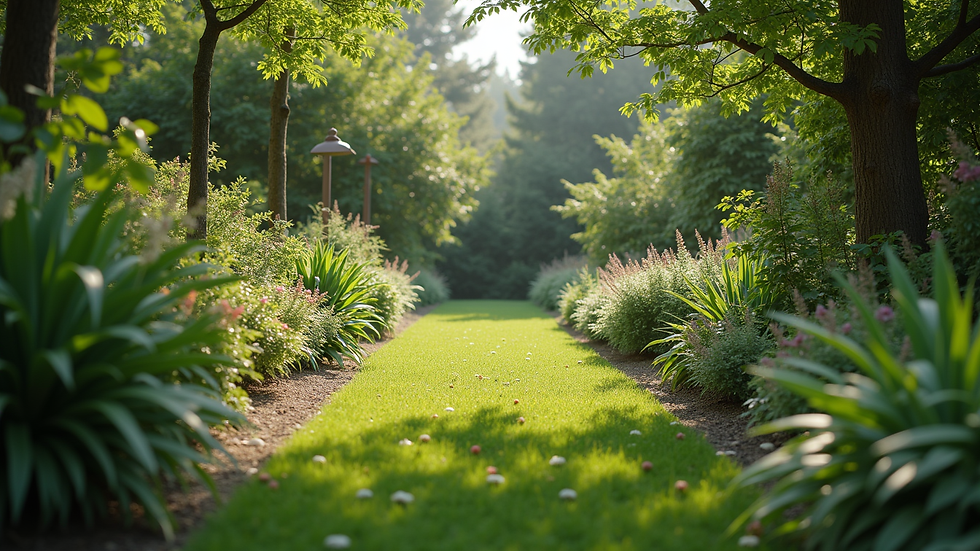
The Importance of Landscaping
Landscaping plays a crucial role in improving the aesthetic appeal of our surroundings. Well-designed outdoor spaces can:
Enhance Property Value: A beautifully landscaped yard can significantly increase the value of a property. According to a study by the National Association of Realtors, landscaping can add up to 10% to a home's value.
Promote Environmental Health: Landscaping contributes to biodiversity by providing habitats for various species. Native plants, in particular, support local wildlife and help maintain ecological balance.
Improve Air Quality: Plants absorb carbon dioxide and release oxygen, improving air quality. Trees and shrubs also filter pollutants, making the air cleaner and healthier to breathe.
Reduce Urban Heat: Green spaces help mitigate the urban heat island effect, where cities become significantly warmer than surrounding areas due to human activities. Landscaping can lower temperatures, making urban environments more comfortable.
Types of Landscaping
There are various types of landscaping, each with its unique benefits and aesthetic appeal. Here are some popular styles:
1. Traditional Landscaping
Traditional landscaping often features symmetrical designs, manicured lawns, and a variety of flowering plants. This style is characterized by:
Formal Layouts: Geometric shapes and straight lines create a structured look.
Classic Plant Choices: Roses, boxwoods, and hydrangeas are common in traditional gardens.
Hardscaping Elements: Patios, walkways, and retaining walls enhance functionality and beauty.
2. Xeriscaping
Xeriscaping is a water-efficient landscaping method that uses drought-resistant plants. This approach is ideal for arid regions and offers several advantages:
Low Water Usage: By selecting native and drought-tolerant plants, xeriscaping reduces the need for irrigation.
Sustainability: This method promotes environmental conservation and reduces water bills.
Diverse Plant Life: Xeriscaped gardens can be colorful and vibrant, featuring succulents, cacti, and ornamental grasses.
3. Native Landscaping
Native landscaping focuses on using plants that are indigenous to the area. This approach supports local ecosystems and offers numerous benefits:
Biodiversity: Native plants attract pollinators and other wildlife, enhancing local biodiversity.
Low Maintenance: Native plants are adapted to local conditions, requiring less water and care.
Cultural Significance: Many native plants have historical and cultural importance, connecting communities to their heritage.
Practical Tips for Landscaping
Creating a beautiful landscape requires careful planning and consideration. Here are some practical tips to help you get started:
1. Assess Your Space
Before you begin landscaping, take the time to assess your outdoor space. Consider the following:
Sunlight: Observe how much sunlight different areas receive throughout the day. This will help you choose the right plants for each location.
Soil Quality: Test your soil to determine its pH and nutrient levels. This information will guide your plant selection and soil amendments.
Drainage: Identify any areas prone to flooding or standing water. Proper drainage is essential for healthy plant growth.
2. Create a Design Plan
A well-thought-out design plan is crucial for successful landscaping. Consider the following elements:
Focal Points: Incorporate focal points such as sculptures, water features, or unique plants to draw the eye and create interest.
Plant Selection: Choose a variety of plants that bloom at different times to ensure year-round color and interest.
Pathways and Borders: Define areas with pathways and borders to create structure and guide movement through the space.
3. Choose the Right Plants
Selecting the right plants is essential for a thriving landscape. Here are some tips:
Native Plants: Opt for native species that are well-suited to your climate and soil conditions.
Diversity: Incorporate a mix of trees, shrubs, and perennials to create a balanced ecosystem.
Seasonal Interest: Choose plants that offer visual appeal in different seasons, such as spring blooms, summer foliage, and fall color.
The Benefits of Green Spaces
Creating greener spaces has far-reaching benefits for individuals and communities. Here are some key advantages:
1. Mental Health Benefits
Access to green spaces has been linked to improved mental health. Studies show that spending time in nature can reduce stress, anxiety, and depression. Green spaces provide a calming environment that promotes relaxation and well-being.
2. Community Engagement
Landscaped areas can foster community engagement and social interaction. Parks, gardens, and green spaces serve as gathering places for residents, encouraging social connections and community activities.
3. Physical Health Improvements
Green spaces promote physical activity by providing areas for walking, jogging, and recreational activities. Regular access to these spaces encourages a more active lifestyle, contributing to overall health and well-being.
Sustainable Landscaping Practices
As we strive to create greener spaces, it is essential to adopt sustainable landscaping practices. Here are some strategies to consider:
1. Water Conservation
Implementing water-saving techniques can significantly reduce water usage in landscaping. Consider the following:
Drip Irrigation: Use drip irrigation systems to deliver water directly to plant roots, minimizing waste.
Rain Gardens: Create rain gardens to capture and filter stormwater runoff, promoting natural drainage and reducing erosion.
2. Organic Gardening
Using organic gardening practices can enhance soil health and reduce chemical use. Consider these methods:
Composting: Create a compost pile to recycle kitchen scraps and yard waste, enriching the soil naturally.
Natural Pest Control: Use beneficial insects and organic solutions to manage pests without harmful chemicals.
3. Native Plant Landscaping
As mentioned earlier, native plants are a sustainable choice for landscaping. They require less water and maintenance, making them an eco-friendly option. By choosing native species, you support local ecosystems and reduce the need for chemical fertilizers and pesticides.
Conclusion
Landscaping is a powerful tool that can transform our environments and enhance our quality of life. By creating greener spaces, we not only improve the aesthetic appeal of our surroundings but also promote environmental health, mental well-being, and community engagement. Whether you choose traditional landscaping, xeriscaping, or native landscaping, the key is to plan thoughtfully and adopt sustainable practices.
As you embark on your landscaping journey, remember that every small effort counts. Start with a few plants, create a small garden, or simply maintain your existing green spaces. Together, we can cultivate a healthier, greener world for ourselves and future generations.


Comments